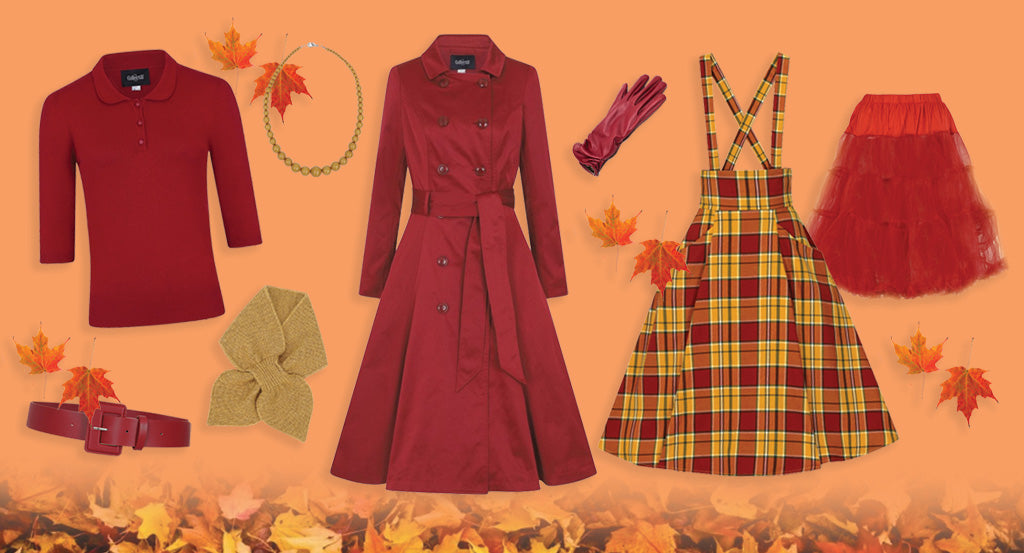
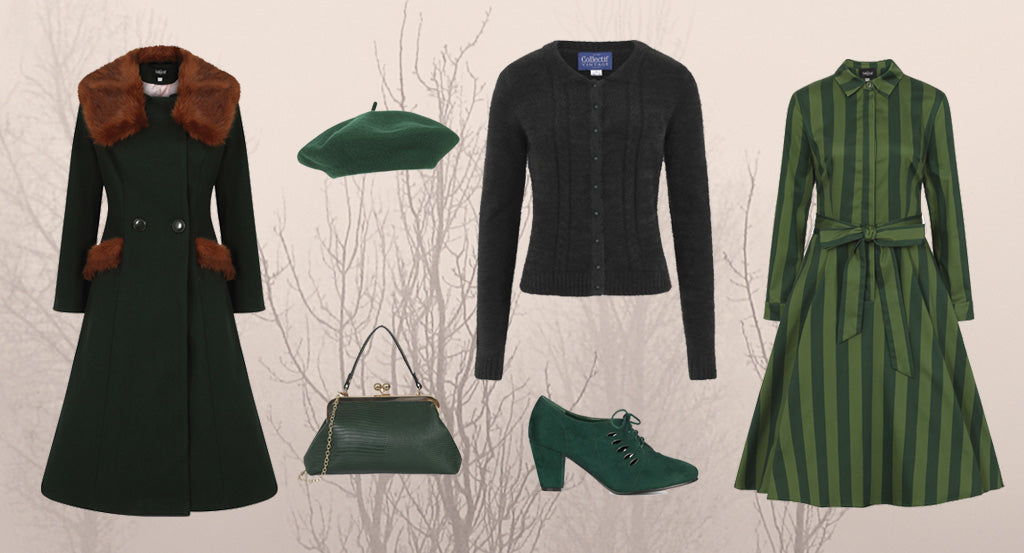
Layering is a practical yet stylish approach to dressing that allows for versatile outfit combinations throughout the seasons. Simply wearing clothes on top of each other is not enough; it is important to combine them with the season and with one another. Generally associated with cooler seasons such as autumn and winter, wearing an ice-blue linen shirt over a plain white T-shirt in spring or tying a scarf around the neck in summer are also good examples of layered dressing.
In Collectif London’s vintage-inspired collections, which carry the nostalgic elegance of past decades into contemporary fashion with modern fabrics, cuts and techniques, you can find many pieces for creating a layered look, from 1940s inspired jersey dresses to 1950s swing coats and 1960s inspired knitted tops.
Understanding The Women’s Layering Outfits
Layering outfits involves the strategic arrangement of garments to ensure both thermal comfort and a cohesive aesthetic. The foundation of layered dressing begins with choosing the base layer, in other words, the inner layer. These can include pieces such as T-shirts or bodysuits. Then comes the next layer, the mid layer. For example, sweaters, vests, and denim trousers can be layered up. The outermost layer is one of the most important parts of layered dressing. For this reason, layering for winter styles often includes pieces such as coats or ponchos. A patterned or textured scarf also serves as a functional finishing touch to the outermost layer.
Layered styles are all about achieving practicality and style. When choosing clothes, the most important thing is to feel warm and comfortable for the time of year. On a cool day, going from outside into an indoor space can make it hard to stay protected from the cold while avoiding feeling too hot inside. However, when a lightweight shirt, cardigan, and coat are combined, it is possible to stay warm outside and remove the top layer indoors for comfort. Another reason for layered dressing is to create a personal style, since women's layering outfits are based on matching colours, textures and proportions in a balanced way.
Three Core Principles of Layering Outfits
Before moving on to tips for putting layered outfits together, it is important to understand how to layer clothes properly in order to create a functional and stylish look. Layered styles, though often perceived as only a way to stay warm in cold weather, are much more than that. Adding an extra cardigan over a plain shirt or a long, printed scarf can significantly elevate an outfit that otherwise appears simple. Therefore, layered styles are not about wearing unrelated or mismatched pieces on top of one another, but about mixing different textures and fabrics, using colours and patterns effectively, and choosing accessories thoughtfully. Here are cores of layering fashion.
Choosing the Right Base Layer
Layered dressing begins with a strong foundation. Since the base piece is the layer closest to the skin, layering tops are recommended to be made from breathable fabrics. For instance, cotton layering shirts, lightweight bodysuits and knitted tops can be used as the foundation for daily layered outfits.
The texture and quality of the base layer can affect how the other layers look and feel, especially during transitional seasons. If the base layer is too heavy or thick, it can add unnecessary volume rather than depth, and result in an overly exaggerated look. In addition to fabric choice, the cut of the top is another important factor when selecting a base layer. Similarly to heavy fabrics, an overly loose base can cause the style to appear disproportionate.

Adding Depth With the Middle Layer
Layering outfits are essentially built on three main cores. The first, as mentioned above, is the tops for layering. While the base layer forms the foundation of the style, pieces chosen for the middle layer such as a vest, lightweight, layering sweaters, overshirts, or light cardigans, help add depth and character to the look.
In addition, playing proportions with the middle layer can further elevate the impact of style. Wearing a long tunic over a fitted body, or pairing slim-fit trousers with satin or linen layering dresses over a thin blouse, are simple steps that can help achieve depth, characteristic style without requiring much effort.
Frame The Look With The Outer Layer
Regardless of the fashion trend, outwear pieces are often the first part of an outfit to catch the eye, so they should be chosen carefully. These pieces are indispensable, particularly in layering for cold weather styles. However, when talking about the outer layer, it is not accurate to think only of cold-weather protection. It is possible to find outer layers in different fabrics and colours that can adapt to every season. In winter, for example, a long wool coat can be worn over a thin jumper or shirt. When chosen in tones such as beige, cream or black, these coats can easily suit various occasions.
During transitional seasons, layering jackets or trench coats are among the most functional pieces. In more formal environments, more structured pieces like a blazer can be preferred. In more casual settings, an open-front trench coat over a lightweight blouse can be combined with a long necklace.
| Layer | Pieces |
|---|---|
| Base Layer | Lightweight t-shirt, ribbed turtleneck, tank top, slim-fit blouse, bodysuit, lightweight cotton shirt |
| Middle Layer | Cashmere sweater, chunky knit, vest, denim shirt, flannel shirt, overshirt, draped top, polo knit |
| Outer Layer | Suede blazer, trench coat, leather bomber jacket, long wool coat, faux fur coat, cape, houndstooth coat, bouclé jacket, vintage inspired cape coat |
Tips for Creating Layering Outfits
Not every multi-layered outfit automatically reflects a sense of style. Sometimes, even wearing a layering skirt inspired by the bohemian spirit of the 1970s can help to create a layered outfit. When creating layered outfits, it is important for fabric textures to progress from thin to thick, for colours to transition from light to dark, and for patterns to complement one another.
Additionally, proportion also becomes essential. When the base layer is close-fitting, layering pants such as wide-leg trousers provide a balanced silhouette without overwhelming the overall look. Conversely, if the middle layer has more volume, such as a chunky knit or an overshirt, slim or straight-cut trousers help to maintain proportion. Here are some tips that can help to create layering outfits:
- Starting with a simple base such as a fitted blouse, T-shirt, or fine knit,
- Creating contrast between proportions by pairing voluminous pieces like a long tunic with slim-fit trousers or a maxi skirt with a blazer jacket,
- Bringing together different textures such as cotton, cashmere, denim, and wool to build depth;
- Using colour and pattern effectively, only choosing a single striking piece if necessary,
- Completing the outfit with accessories such as belts, scarves or long necklaces, without making the look too overwhelming.
In Collectif London’s collections, it is possible to find many pieces ranging from vintage inspired blouses to flared jeans and swing coats. Discover Collectif London collections and add depth to your style with layered outfits.
Frequently Asked Questions About Layering
What Is Layering?
Layering means wearing clothing layers deliberately rather than randomly; this method not only provides warmth but also adds depth and texture to an outfit, creating stylistic richness.
How to Do Layering in Summer?
When layering in summer, lightweight fabrics, thin tops, and minimal layers are preferred. Wearing a thin T-shirt under a lightweight shirt, or combining breathable pieces such as loose white linen trousers with a satin dress, are suitable layering techniques for warmer weather.
How to Do Layering in Winter?
It is recommended to start with thinner layers and gradually move towards thicker and more protective outer pieces.
Why is Layering Important in Winter?
In winter, layering clothes does more than add depth to a look; it also ensures comfort when transitioning from outdoor to indoor.
What is the Correct Order of Layering?
The correct layering order generally follows base, middle, outer; first, a breathable layer close to the skin, then a heat-retaining middle layer, and finally an outer layer that protects against wind and rain.
What are Common Layering Mistakes?
Common layering mistakes include stacking overly heavy or excessively loose pieces, mismatching textures and colours, or using incorrect proportions.